
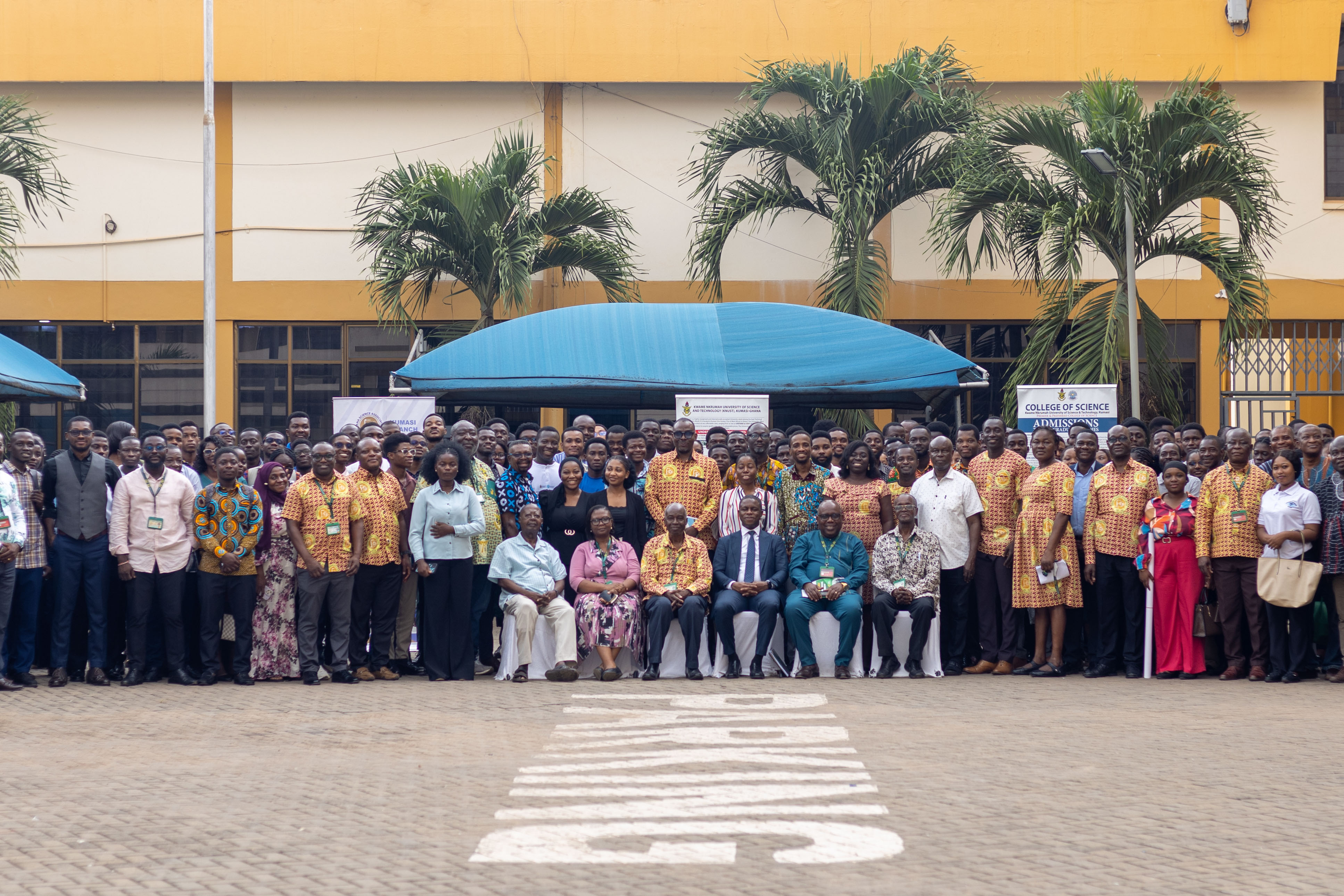
The President of the Ghana Science Association (GSA), Kumasi Branch, Prof. Alexander Kwarteng, has called for increased investment in scientific infrastructure, research funding, actionable policies and collaboration to enable Ghanaian scientists to translate their expertise into practical solutions to the country’s emerging challenges.
He said Ghana had significant scientific talent, but the structures and support systems needed to enable researchers to thrive and contribute meaningfully to national development must be strengthened.
Prof. Kwarteng made the call at the Annual Science Conference of the Ghana Science Association, organised in collaboration with the College of Science, Kwame Nkrumah University of Science and Technology, Kumasi (KNUST), under the theme, “Integrating Climate Science, Artificial Intelligence, and Environmental Stewardship for Sustainable Resource Management in a Changing World.”
He said recent developments, including climate disruptions, the rapid advancement of artificial intelligence (AI) and increasing pressure on natural resources, had made scientific collaboration and the application of research more urgent.
“Ghana is not short of scientific talent. What we must continue to build is the infrastructure, the funding, the actionable policies, and above all the culture of collaboration that allows that talent to flourish,” he said.
Professor Kwarteng said climate science, AI and environmental stewardship could no longer be treated as separate conversations, as their convergence presented opportunities to develop innovative approaches to sustainable resource management.
“The institutions and nations that understand this convergence, and act on it, will be the ones that shape the future,” he stated.
He encouraged participants, particularly young scientists and postgraduate researchers, to use the conference to establish connections, identify potential collaborators and explore cross-institutional and cross-disciplinary initiatives.
“Science does not advance in isolation. It advances through community, through the willingness to share findings, to invite critique, and to build on the work of others,” he said.
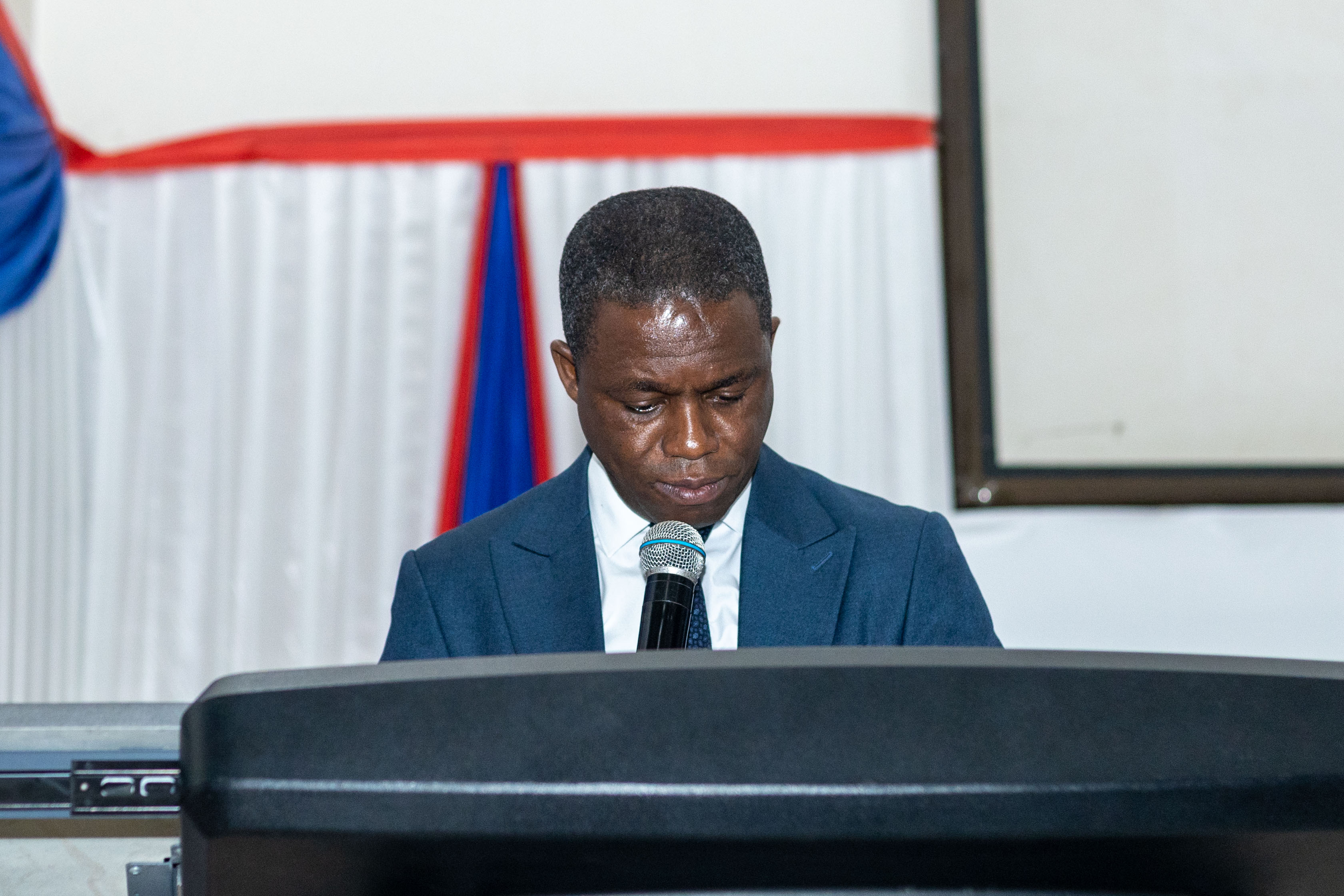
The Provost of the College of Science, Prof. Philip Antwi-Agyei, said climate change continued to put pressure on food and water systems, ecosystems and livelihoods, while advances in AI, big data, machine learning, remote sensing and computational technologies offered new opportunities to understand and respond to complex environmental challenges.
“Artificial intelligence can help us analyse enormous datasets, improve climate modelling, predict environmental change, detect emerging risks and support better decision-making,” Prof. Antwi-Agyei said.
He, however, said technological advancement alone could not provide all the answers, stressing the need to consider ethics, equity, data ownership, governance, privacy, access and accountability in the application of AI.
“We must therefore ask not only what AI can do, but also what it should do, for whom, and under whose direction,” he stated.
Prof. Antwi-Agyei urged African scientists to play an active role in shaping the integration of climate science, AI and environmental stewardship rather than simply observing developments elsewhere.
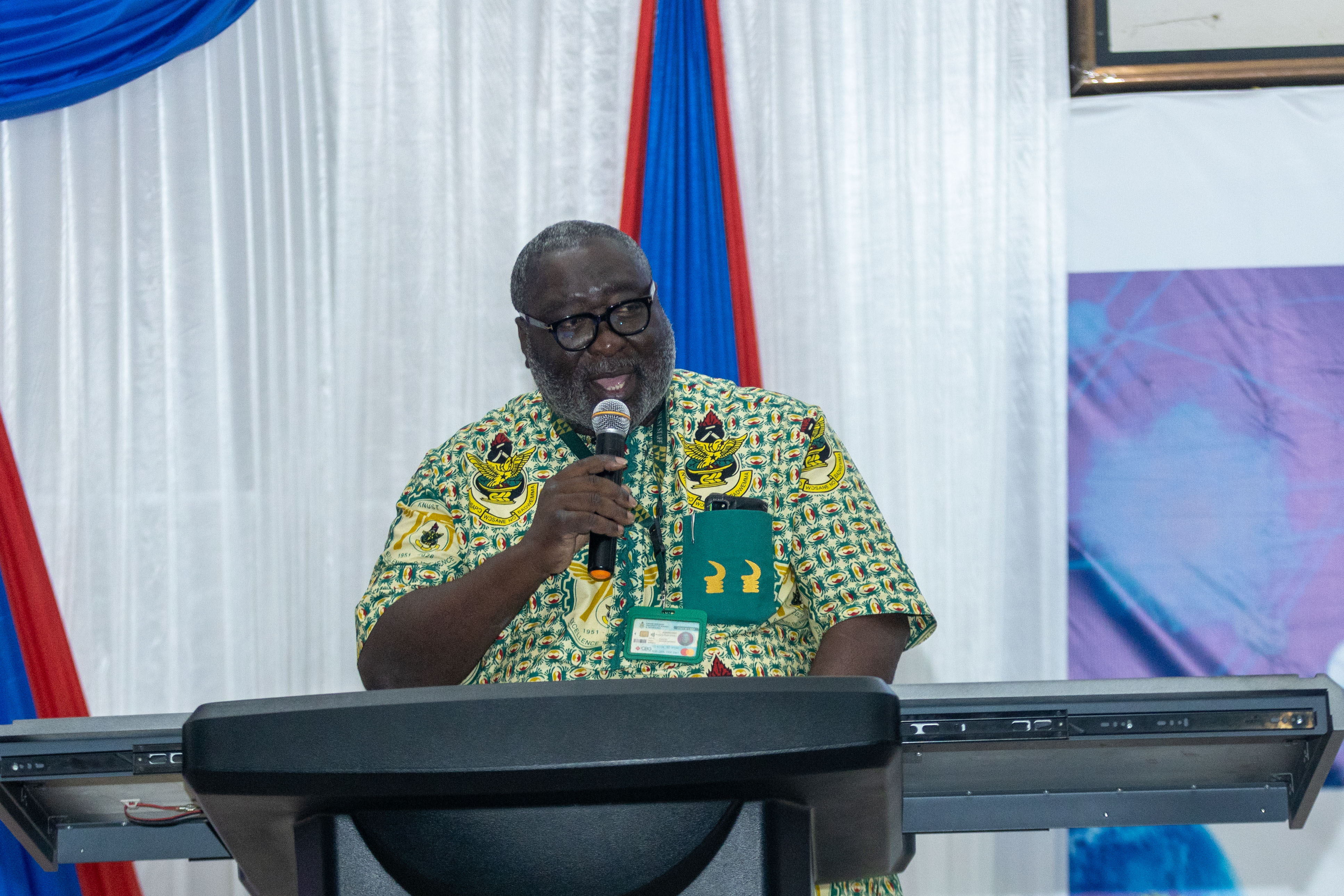
The Chairperson of the conference, Prof. Francis Kofi Ampong, said integrating the three areas of knowledge provided an opportunity for researchers to address some of the most pressing scientific and societal challenges.
He said climate science provided the evidence needed to understand environmental change, while AI offered powerful tools for analysing data and developing solutions. Environmental stewardship, he added, would help ensure that scientific and technological advances were directed towards the responsible and sustainable management of natural resources.
“The real opportunity before us is to bring these areas of knowledge into meaningful conversation,” Prof. Ampong said.
He said the conference provided a platform for researchers, practitioners, policymakers, industry representatives and students to share knowledge, examine emerging evidence and explore practical approaches to sustainable resource management.
Story: Eunice Asare


